Buddhist Prayer Beads
Can You Wear Buddhist Prayer Beads? What You Should Know First
Canderguardians Team · Published · 7 min read
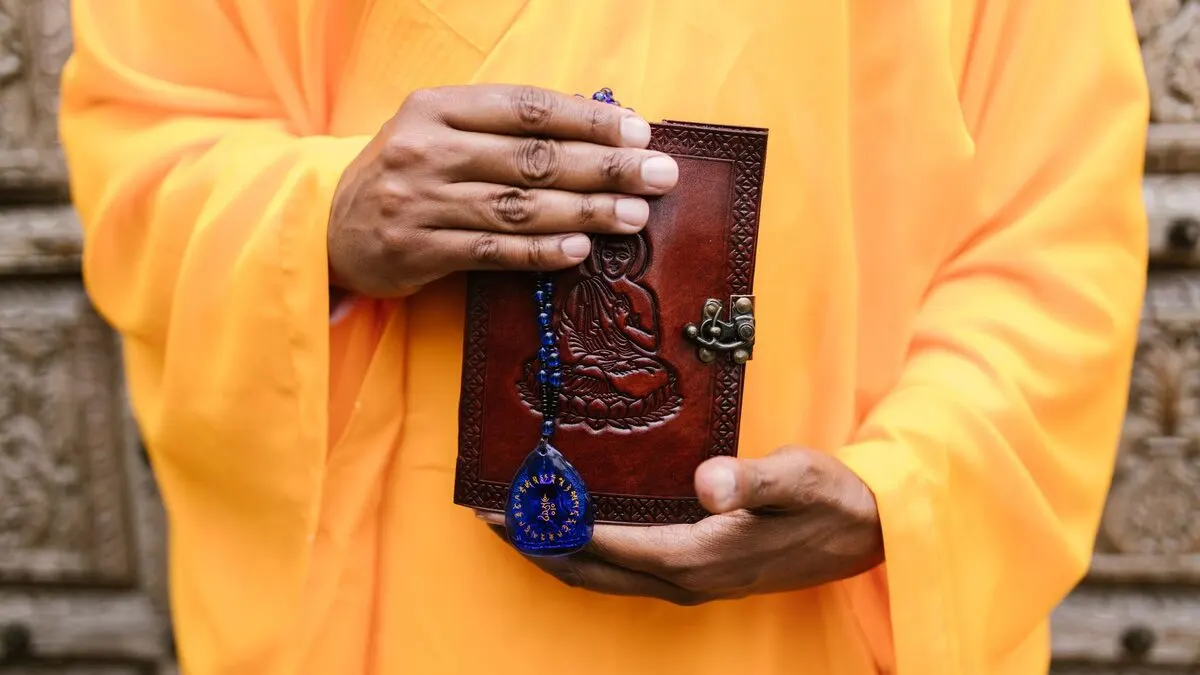
Yes, you can wear Buddhist prayer beads — also called mala beads or japa mala — regardless of your religious background. They are worn by practitioners for meditation and recitation, and also by people who simply appreciate the material, the craftsmanship, or the quiet reminder the beads provide. There is no rule in mainstream Buddhist traditions that restricts wearing them to initiated practitioners.
Key Takeaways
- Buddhist prayer beads (mala) can be worn by anyone; no religious initiation is required.
- They are traditionally used to count recitations of a mantra or the name of the Buddha — typically 108 repetitions per full round.
- Wearing them as everyday jewelry is widely accepted; treating them with basic respect is generally considered appropriate.
- Material matters to some traditions (wood, seed, stone, bone) — but for casual wear, personal preference and comfort drive the choice.
- If a mala has been consecrated or blessed by a teacher, some traditions observe specific handling customs — worth knowing if yours falls into that category.
What Are Buddhist Prayer Beads?
A mala is a string of beads used to count repetitions during meditation or prayer. The standard count is 108 beads — a number with significance across Buddhist, Hindu, and Jain traditions — plus one larger "guru bead" at the junction where the two ends of the string meet. Some malas use smaller counts (27 or 54 beads) that divide evenly into 108, suited for wrist wear.
According to the Tibetan Nuns Project, Tibetan Buddhists select mala materials partly based on the type of practice being performed — bone or conch shell for certain wrathful practices, seeds or wood for more common recitation work, and precious stones for specific deity practices. That framework is traditional and practitioner-specific. For general wearing or non-practice use, no particular material is obligatory.
Golden Lotus Mala notes that the tradition of wearing mala beads as a bracelet or necklace has a long history across multiple Buddhist cultures, particularly in Southeast Asia. The beads moving against the skin can serve as a gentle physical reminder — of breath, intention, or a particular quality the wearer is cultivating. That function does not require formal practice.
Is It Disrespectful to Wear Mala Beads If You Are Not Buddhist?
This question comes up often, and the honest answer is: it depends on context and intent, not on a universal rule.
Most teachers and practitioners interviewed across traditions take a practical view. If you wear mala beads as jewelry without any intent to mock or trivialise Buddhist practice, that is generally understood as personal choice. Buddhism is not a proselytising tradition in most of its forms, and the etiquette around mala beads is far less formalised than, say, the protocols around sacred ceremonial items in some Indigenous cultures.
PotalaStore's guide on mala bead wearing distinguishes between malas that have been formally consecrated (blessed by a lama or teacher through a specific ritual) and those that have not. An unconsecrated mala is simply a string of beads; wearing it casually is unproblematic. A consecrated mala carries a different weight in some traditions — not a prohibition against wearing it, but an understanding that it has been made into something more than jewelry.
If your mala comes from a practitioner's altar or was blessed as part of a practice, asking the person who gave it to you about appropriate handling is reasonable. Most will simply say: treat it with the same care you would give anything meaningful.
The Practical Rule
If someone close to you who practises Buddhism objects to how you are wearing their tradition's practice object — listen to them. That is more meaningful guidance than any general rule.
How to Wear Mala Beads
As a Necklace
A full 108-bead mala on a standard cord is long enough to wear as a necklace, with the guru bead resting at the chest or upper sternum. This is a common way to wear them in Tibetan and Theravada Buddhist contexts. The tassel or guru bead typically hangs at the front.
As a Bracelet
Shorter malas — 27 or 54 beads — are sized for the wrist. A full 108-bead mala can also be wrapped around the wrist two or three times if the cord has enough length. Golden Lotus Mala's guide on wearing mala beads describes the traditional approach: worn on the right wrist for general purposes, or on the left if you are using it during active meditation sitting (the right hand traditionally uses the beads for counting, the left rests or holds the string).
In practice, most people wear them on whichever wrist is comfortable. The symbolism of left versus right is meaningful in formal practice context; for everyday wear, it is a minor consideration.
Loose in a Pocket or Bag
Many practitioners simply keep their mala in a small cloth pouch and take it out for sitting practice. This is not less valid than wearing it — it keeps the beads clean and avoids the wear that comes with daily contact with water, sunscreen, and clothing friction.
What Materials Are Buddhist Prayer Beads Made From?
The range is wide, and each material has different properties for wear:
| Material | Feel and Weight | Notes |
|---|---|---|
| Agarwood | Warm, slightly dense, fragrant | One of the most valued woods; fragrance serves as a sensory anchor during practice |
| Bodhi seed | Lightweight, natural variation | Traditional; used widely in Chinese and Tibetan Buddhism |
| Sandalwood | Light, subtle scent | Common and accessible; scent fades over time |
| Jade or stone | Cool, noticeably heavy | Durable; good for bracelets that see daily wear |
| Rudraksha seed | Textured, earthy | Important in Hindu practice; also used in some Buddhist contexts |
| Bone or conch shell | Lightweight, distinctive | Traditional in Tibetan vajrayana practice; less common for everyday wear |
Our Buddhist prayer beads collection includes agarwood and jade options. Agarwood is particularly suited to meditation use — the fragrance becomes noticeable with body warmth, which many practitioners find grounding. Jade is better suited to someone who wants a bracelet that wears cleanly through daily activity.
Caring for a Mala You Wear Regularly
Wearing prayer beads every day subjects them to water, oils, and friction. A few basic habits extend their life significantly:
- Remove before swimming or washing dishes. Repeated water exposure weakens most natural cord, especially silk or cotton. Elastic cord holds better but still degrades over time.
- Keep away from perfume and hand sanitiser. Alcohol-based products affect resin in agarwood and can bleach natural seeds and wood beads.
- Store in a cloth pouch or a box rather than loose in a bag where they will knock against metal or hard objects.
- Restring before the cord frays. Natural cord weakens over months of daily wear. Restringing is inexpensive and prevents the beads from scattering.
For agarwood malas specifically: contact with skin is a feature, not a problem. Body warmth releases the natural fragrance. The main thing to avoid is excessive moisture and synthetic fragrance, both of which alter the wood's own scent. See the natural agarwood bracelet care guide for more detail on maintaining agarwood over time.
Frequently Asked Questions
Do Buddhist prayer beads have to be blessed to be effective? That depends on the tradition and the type of practice. For daily meditation counting, an unconsecrated mala functions perfectly well — the function of counting is mechanical. Some traditions do consecrate malas for specific deity or mantra practices, and practitioners within those traditions may prefer a blessed mala. For general use and wearing, no blessing is required.
What is the meaning of the guru bead on a mala? The guru bead — the single larger bead at the junction of the string — marks the beginning and end of a full round of 108 recitations. In some traditions it represents the teacher, the Buddha, or the practitioner's own deeper awareness. When using the beads for counting, you move bead by bead toward the guru bead, then reverse direction rather than crossing over it. For wearing, the guru bead often rests at the collarbone or falls as the central pendant.
Can you sleep while wearing mala beads? Most practitioners remove them during sleep, primarily to protect the cord from catching and breaking. There is no general prohibition, but practical cord care usually argues against it.
What is the difference between mala beads and rosary beads? Both are bead-counting tools used for repetitive prayer or recitation, and both developed independently across different religious traditions. A Catholic rosary typically has 59 beads and is used to count specific prayers. A Buddhist mala has 108 beads (or a fraction thereof) and is used to count mantra repetitions or the name of the Buddha. Structurally similar; culturally distinct.
How do you start using mala beads for meditation? Begin at the bead next to the guru bead. Hold the bead between your thumb and middle finger (index finger is traditionally not used in some Tibetan practices). Move to the next bead after each repetition of your chosen mantra or breath count. When you reach the guru bead, you have completed 108 repetitions — pause, then reverse direction if you are doing more rounds. The Tibetan Nuns Project guidance on using a Tibetan mala covers the hand position and counting method in more detail.