Buddhist Prayer Beads
Sandalwood Prayer Beads Bracelet: A Plain Buyer's Guide
Canderguardians Team · Published · 7 min read
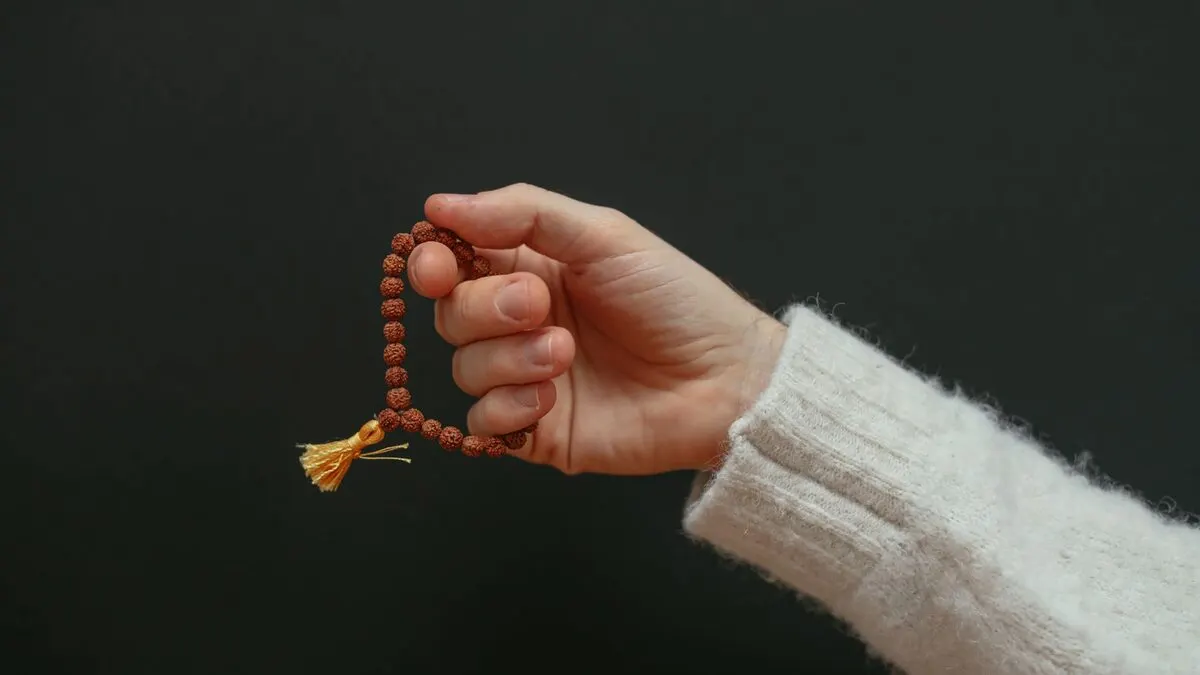
A sandalwood prayer beads bracelet is a string of beads carved from Santalum wood — naturally fragrant, lightweight, and one of the most accessible materials for Buddhist mala bracelets. The scent is creamy and soft at room temperature. Unlike agarwood, sandalwood needs no rare infection process to develop its fragrance, which keeps prices moderate and supply relatively consistent.
Key Takeaways
- Genuine sandalwood has a creamy, steady fragrance at room temperature — no heating required.
- The most prized varieties (Indian Santalum album, Australian Santalum spicatum) differ in scent profile and price; cheaper alternatives are often other aromatic woods sold under the sandalwood name.
- Bead colour varies from pale cream to warm honey-brown — lighter beads are not inferior to darker ones.
- Sandalwood is lighter in the hand than agarwood; if a bracelet sold as sandalwood feels unusually dense, it may be a different wood.
- Scent longevity depends on wood density and grade — expect several years from quality beads, though natural fragrance does quiet over time.
What Is a Sandalwood Prayer Beads Bracelet?
Sandalwood comes from trees in the genus Santalum, prized across Buddhist, Hindu, and Taoist traditions for its calm, persistent fragrance. The most historically valued variety is Indian sandalwood (Santalum album), grown primarily in Karnataka and Tamil Nadu, India. Australian sandalwood (Santalum spicatum) is more available and slightly less sweet. Other species — Pacific, New Caledonian — appear in the market at various price points.
Mala bracelets made from sandalwood beads are among the most common materials in Buddhist prayer bead practice. The fragrance acts as a sensory anchor during recitation — body warmth draws out a gentle scent that many practitioners find settling. For a full walkthrough of how mala beads are used in practice, the Buddhist prayer beads guide covers the counting method and tradition context in detail.
Standard bead sizes for wrist bracelets run from 6 mm to 12 mm; 8 mm is the most common. A standard single-wrap wrist bracelet holds 18 to 21 beads. Longer malas with 27 or 108 beads are sized for wearing as a necklace or wrapping two to three times around the wrist.
How to Tell Genuine Sandalwood from Imitations
The sandalwood market has a well-known substitution problem. Because genuine Santalum album is regulated (India controls export under CITES and domestic law), a wide range of other fragrant woods are sold as sandalwood: cedarwood, white willow, certain rosewood species, or simply unnamed tropical woods treated with synthetic sandalwood fragrance oil.
Scent Check
Genuine sandalwood has a warm, creamy, slightly sweet fragrance that is noticeable at room temperature without any preparation. It does not smell sharp, green, or like fresh-cut timber. It does not smell heavily of perfume or synthetic sweetness.
If a bracelet smells strongly of perfume before you touch it — similar to what you find with oil-injected agarwood — the beads have almost certainly been treated with synthetic sandalwood fragrance. The scent of treated beads tends to be louder and simpler than natural wood. It also fades faster: genuine sandalwood holds its scent for years; oil-treated wood typically loses noticeable fragrance within weeks to a few months of wear.
Rub a single bead briskly between your fingers for about ten seconds, then smell. Natural sandalwood releases a warm, rounded note from the friction. An oil-treated bead releases a burst of sweet fragrance that dissipates quickly.
Visual and Tactile Checks
Genuine sandalwood beads:
- Range from pale cream to warm honey-brown or light tan; the colour is relatively even within a bead but varies naturally bead to bead.
- Show visible grain lines on the surface, especially under angled light. The grain is fine and close compared to many tropical hardwoods.
- Feel smooth and light in the hand — not dense like agarwood or heavy like stone beads.
Potential red flags:
- Beads that are uniformly very dark or reddish without visible grain may be a different wood species.
- Beads that feel unusually heavy for their size may not be sandalwood — genuine Santalum wood is relatively lightweight.
- A surface that looks moulded rather than carved, with no visible grain, may indicate pressed material.
Grade and Origin
Santalum album from Mysore, India, is the benchmark grade — the richest scent, the warmest tone. It is also the most expensive and the most commonly counterfeited. Australian sandalwood (S. spicatum) is a legitimate, legal, and increasingly well-regarded alternative with a slightly drier, woodier scent profile than Indian varieties.
When sellers list "Indian sandalwood," they are describing what their supplier documented. Short of a CITES export certificate from India (which is required for commercial export of S. album), that claim cannot be independently verified by most buyers. Treating the label as context rather than a guarantee is the practical approach.
Bead Size and Bracelet Fit
For a single-wrap wrist bracelet, bead size affects both how the bracelet looks and how much sandalwood fragrance you get per bead.
- 6 mm — subtle, understated; less surface area means a quieter scent; good for people who prefer lighter jewelry.
- 8 mm — the most common and versatile size; comfortable for all-day wear; enough surface to carry a clear scent.
- 10–12 mm — more presence on the wrist; the scent is noticeably stronger; better for occasional or ceremonial wear than all-day use.
Sandalwood is a reasonably forgiving material for daily wear — it does not require the careful handling that agarwood demands. Still, the same basic care rules apply: avoid prolonged water contact, keep away from alcohol-based products (perfume, hand sanitizer), and store the bracelet in a breathable pouch when not wearing it.
Sandalwood vs. Agarwood Prayer Beads: Which Is Right for You?
This question comes up often when someone is choosing a first natural agarwood bracelet versus a sandalwood option. The short answer is that they serve similar purposes but have a different character.
| Feature | Sandalwood | Agarwood |
|---|---|---|
| Scent character | Creamy, soft, steady | Woody, complex, sometimes earthy |
| Weight | Light | Noticeably heavier |
| Room-temperature scent | Yes, gentle | Yes, subtle |
| Price range | $15–$150 for quality bracelets | $30–$10,000+ depending on grade |
| Availability | Widely available | Scarcer; high grades very limited |
| Authenticity checks | Scent, grain, weight | Scent, resin marks, weight, water test |
Sandalwood is the more practical daily-wear choice for most people: it is lighter, easier to care for, and available at a comfortable price point. Agarwood carries more depth and complexity — and more authentication risk. If you are exploring either material for the first time, sandalwood is a lower-stakes starting point.
For practice-specific use on the wrist during meditation, both materials work well. The light, steady scent of sandalwood during breath-focused practice is specifically valued in several Theravada and Chinese Buddhist traditions.
Caring for a Sandalwood Bracelet
Sandalwood requires less maintenance than agarwood, but a few habits extend its life significantly.
- Water: Remove before swimming, showering, or washing dishes. Repeated wetting weakens cord and can cause sandalwood to crack over time as it dries out.
- Skin oils: Regular wear is actually good for sandalwood — the oils from your skin condition the wood and help maintain its fragrance. You don't need to apply any product.
- Synthetic fragrance: Avoid spraying perfume directly on the beads. The artificial scent will mask the natural wood fragrance.
- Storage: A small cloth pouch or a wooden box is ideal. Avoid airtight plastic containers, which can trap moisture.
- Cord: Elastic cord weakens over time — check it periodically and have it restrung if it shows visible stretching or fraying. Silk cord is traditional and holds up well if kept dry.
Over years of regular wear, sandalwood beads typically darken slightly from skin contact. This is normal and generally considered a sign of a well-worn, well-cared-for piece.
Frequently Asked Questions
Does genuine sandalwood smell without being heated? Yes. A real sandalwood bracelet produces a gentle, creamy, slightly sweet scent at room temperature — no rubbing or heating required. Body warmth during wear develops it a little further. If a bracelet only smells of something when you rub it hard, or has a strong perfume-like scent before any contact, it has likely been treated with synthetic fragrance oil.
What is the difference between sandalwood and agarwood prayer beads? They come from different tree families and have distinct scents. Sandalwood (Santalum species) has a creamy, soft, steady fragrance; it is lighter and more widely available. Agarwood (Aquilaria species) forms only when a tree undergoes a specific infection process, is much rarer, and has a deeper, more resinous, complex character. Both are used in Buddhist prayer bead practice; sandalwood is more accessible and less expensive.
How long does the scent of a sandalwood bracelet last? Quality sandalwood holds its fragrance for several years with regular wear. The scent quiets gradually over time rather than disappearing all at once. Very cheap bracelets — or beads made from non-sandalwood woods treated with fragrance oil — may lose their scent within weeks. If you want longevity, Santalum album or S. spicatum from a seller who describes their source are worth the modest premium over unlabelled alternatives.
Can anyone wear a sandalwood prayer beads bracelet? Yes. As with Buddhist prayer beads generally, there is no tradition-wide rule restricting who can wear mala beads. Sandalwood is one of the most widely worn bead materials across Buddhist, Hindu, and secular contexts. Treat the bracelet with basic care and wear it however suits you.
How do I tell if sandalwood beads are genuine or just scented wood? Check for three things: a natural, quiet, creamy scent at room temperature (not a strong perfume smell); visible fine grain lines on the bead surface; and a light, comfortable weight in the hand. Beads that smell strongly of sweet perfume, show no visible grain, or feel surprisingly heavy for their size are likely not genuine Santalum wood — or have been treated with synthetic fragrance to compensate for a weak natural scent.